Jigsaw machines
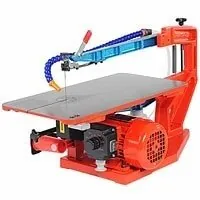
I have spent two decades cutting curves in everything from 18mm Baltic birch to thick oak slabs. Most people buy a jigsaw because it is cheap, but they end up fighting the tool instead of the wood. You need to understand how these machines actually behave when the blade meets resistance.
Choosing your motor type
Corded models offer consistent power. If you are cutting through 25mm thick hardwood in my shop in Seattle, you want a corded unit to avoid battery sag. A corded saw provides steady torque that prevents the motor from stalling mid-cut.
Battery tools provide freedom. They work well for small tasks like trimming a door jamb or cutting thin plywood. However, high-drain tasks will drain a 18V battery faster than you expect.
Pick your power wisely.
Blade selection and speed control
The blade is the most important part of the setup. A T-shank blade with coarse teeth cuts fast but leaves a rough edge on your 12mm MDF. You should use fine-tooth blades for clean finishing work.
Speed settings matter too. High speeds help cut metal, while slower speeds prevent burning delicate hardwoods like cherry or walnut. Most mid-range saws have an adjustable dial for this purpose.
Don't ignore the blade length. A long blade can wander during a vertical cut.
Always use orbital action for rough cuts. This setting moves the shoe in a circular motion to speed up the process. It leaves a messy edge, so save it for construction tasks rather than fine furniture.
Managing blade deflection
Deflection is the enemy of accuracy. When you push too hard against thick material, the blade bends away from your line. I saw this happen last Tuesday when a junior apprentice tried to rush through a 40mm maple plank.
Keep the saw steady. You must guide the tool with light pressure rather than forcing it downward into the grain. If the blade starts to wander, stop and check if the shoe is flat against the workpiece.
Check your orbital setting. High orbital settings increase deflection risk.
Maintaining your equipment
Dust ruins internal gears. Fine sawdust settles inside the motor housing and causes heat buildup over time. Blow out your saw with compressed air every few weekends to keep it running smooth.
Inspect the blade clamping mechanism. If the clamp feels loose, your cuts will never be straight because the blade will vibrate. Replace old blades immediately when you notice they are dull or slightly bent.
Cleanliness prevents expensive repairs.
Frequently asked questions
Why is my jigsaw burning the wood?
The blade is likely moving too slow or the teeth are dull. High friction creates heat that chars the surface of softwoods like pine. Increase your speed or switch to a fresh blade immediately.
Can I cut metal with a standard jigsaw?
Yes, but you need specific metal-cutting blades. Standard wood blades have large teeth that will snap instantly against steel. Use a blade with a high TPI count for better results.
How do I stop the saw from vibrating excessively?
Check if your blade is seated fully in the chuck. A loose blade causes violent shaking that ruins your accuracy and hurts your hands. Ensure the clamping lever is locked tight before you start.
Frequently asked questions
Why is my jigsaw burning the wood?
The blade is likely moving too slow or the teeth are dull. High friction creates heat that chars the surface of softwoods like pine. Increase your speed or switch to a fresh blade immediately.
Can I cut metal with a standard jigsaw?
Yes, but you need specific metal-cutting blades. Standard wood blades have large teeth that will snap instantly against steel. Use a blade with a high TPI count for better results.
How do I stop the saw from vibrating excessively?
Check if your blade is seated fully in the chuck. A loose blade causes violent shaking that ruins your accuracy and hurts your hands. Ensure the clamping lever is locked tight before you start.