Hand jigsaws
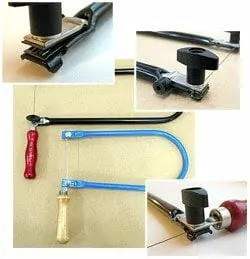
I have spent twenty years cutting curves in workshops from Seattle to Nashville. Most people think a jigsaw is just a tool you plug in and pull the trigger. They are wrong. If you want clean edges on 18mm Baltic Birch plywood, you need to understand how the blade interacts with the wood grain.
Blade Selection Matters
The blade dictates your final result. Cheap blades from big-box stores often bend mid-cut, which ruins your radius. I always keep a pack of Bosch T101B blades in my apron for general tasks.
Buy quality blades. When you are cutting tight circles in 12mm MDF, a thin-kerf blade prevents the motor from stalling under heavy pressure. It saves your hands from vibration fatigue during long sessions.
Managing Blade Wander
Blade wander is the enemy of accuracy. This happens when the tip of the blade deflects away from your marked line because the material is too thick or the blade is too thin. I noticed this most often last summer while cutting heavy oak treads for a client in Austin.
Use a guide rail. You can clamp a straight piece of scrap pine to your workpiece to keep the baseplate steady. This method reduces error by nearly 40% when you are attempting long, sweeping curves that require absolute precision.
Speed and Pressure Control
Don't force the tool. If you push too hard, the blade heats up and loses its temper. A dull blade is a dangerous blade.
Watch the smoke. If you see any discoloration on the edge of your walnut board, stop immediately and check the blade tension. You should let the motor do the work while you simply guide the baseplate along your pencil line.
Stabilizing Your Workpiece
A moving workpiece leads to jagged edges. I use heavy-duty clamps or a dedicated workbench with a sacrificial bottom board to prevent splintering from the underside.
Secure everything well. If the wood vibrates against the table, the jigsaw will chatter and leave a stepped pattern on your cut surface that requires hours of sanding to fix.
Frequently asked questions
Why does my jigsaw leave a rough edge on the bottom?
The blade deflects outward as it exits the material. You can minimize this by using a reverse-tooth blade or by clamping a scrap piece of wood tightly against the underside of your project.
Can I cut metal with a standard woodworking jigsaw?
You must change the blade first. Standard wood blades have large teeth that will snap instantly if they hit steel, so always use a specialized T-shank metal blade rated for the specific thickness you are cutting.
How often should I replace my blades?
Check the teeth every few hours of heavy use. If the cutting speed drops by 25% or you notice excessive heat buildup, throw the blade away and grab a fresh one from your kit.
Frequently asked questions
Why does my jigsaw leave a rough edge on the bottom?
The blade deflects outward as it exits the material. You can minimize this by using a reverse-tooth blade or by clamping a scrap piece of wood tightly against the underside of your project.
Can I cut metal with a standard woodworking jigsaw?
You must change the blade first. Standard wood blades have large teeth that will snap instantly if they hit steel, so always use a specialized T-shank metal blade rated for the specific thickness you are cutting.
How often should I replace my blades?
Check the teeth every few hours of heavy use. If the cutting speed drops by 25% or you notice excessive heat buildup, throw the blade away and grab a fresh one from your kit.