Who invented the jigsaw?
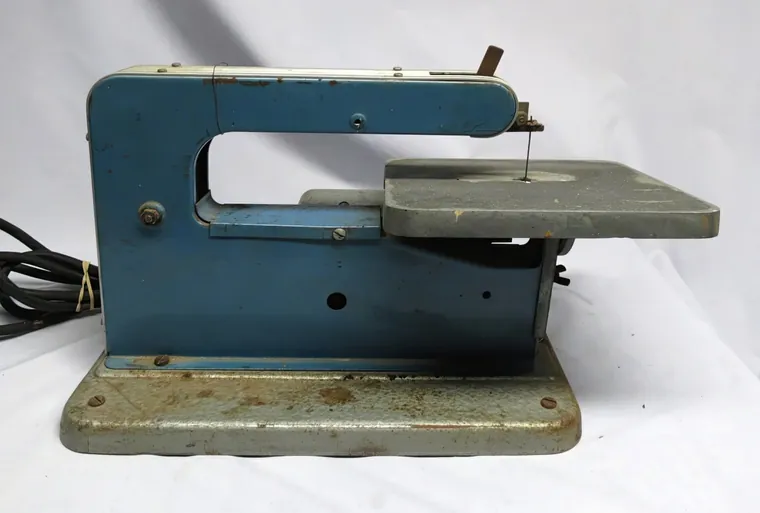
I have spent twenty years cutting curves in walnut and plywood. People often ask me about the history of my favorite tool. Nobody actually sits down and credits a single person for this invention. It evolved from hand-held frames to the electric beasts we use today.
The early frame saws
Before electricity, woodworkers used a heavy wooden frame with a thin blade. You had to manually move the frame back and forth to cut through stock. This method required steady hands and a lot of physical stamina.
It was slow work. If you wanted to cut an irregular shape in a piece of 1-inch oak, you spent significant time managing the tension on that single blade. The inventor remains unknown because these tools were handmade by individual craftsmen in local shops.
The transition to power
The real shift happened when manufacturers started adding small motors to these frames. In the early 1900s, companies began experimenting with ways to automate the reciprocating motion. This changed everything for the professional carpenter.
Machines became faster. By the time I started my first apprenticeship in 1998, the electric jigsaw was already a standard item in every tool chest from Ohio to Oregon. Most modern versions use a pendulum action to clear sawdust out of the cut path more effectively.
Modern blade technology
Today, we do not rely on crude metal strips to get the job done. You can buy specialized blades for almost any material you encounter on a job site. I usually keep a pack of Bosch T-shank blades in my pocket at all times.
Pick the right teeth. If you are cutting a delicate curve in 12mm Baltic Birch plywood, use a blade with a high TPI (teeth per inch) to prevent the wood from splintering on the bottom side. Using a coarse blade for fine work is a recipe for ruined projects and wasted money.
Maintaining your tool
A jigsaw is only as good as its maintenance schedule. Dust gets into the motor housing and kills the machine if you ignore it. I use compressed air to blow out the vents every Friday afternoon before I close my shop.
Check the shoe. The metal base plate must sit perfectly flat against the workpiece to ensure your cut stays on the line you marked with your pencil. If the shoe wobbles, your accuracy drops to zero immediately.
Frequently asked questions
What is the best way to prevent splintering?
Use a zero-clearance insert. These thin pieces of scrap plywood sit under the blade and hold the wood fibers tight against the cut line. It works well for delicate tasks.
Can I cut metal with a standard jigsaw?
You need specific blades. Standard wood blades will dull or snap instantly if you try to cut through 3mm steel plate without the correct tooth geometry. Always check your blade packaging before starting.
How do I stop the blade from wandering?
Apply pressure to the tool body. You must hold the saw firmly against the workpiece so the blade follows the intended path rather than bending sideways under tension. Practice this motion on scrap pine first.
Frequently asked questions
What is the best way to prevent splintering?
Use a zero-clearance insert. These thin pieces of scrap plywood sit under the blade and hold the wood fibers tight against the cut line. It works well for delicate tasks.
Can I cut metal with a standard jigsaw?
You need specific blades. Standard wood blades will dull or snap instantly if you try to cut through 3mm steel plate without the correct tooth geometry. Always check your blade packaging before starting.
How do I stop the blade from wandering?
Apply pressure to the tool body. You must hold the saw firmly against the workpiece so the blade follows the intended path rather than bending sideways under tension. Practice this motion on scrap pine first.