Comparison of the Makita 4326 and 4350FCT jigsaws
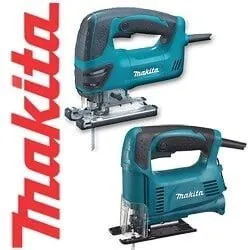
I have used Makita tools on job sites for two decades. These saws are workhorses. You will see them in many contractor vans across the country. The 4326 is an older design that relies on pure, raw power to get through tough materials. It feels heavy in your hand.
The 4350FCT belongs to a newer generation of tools. It offers features like variable speed and electronic control for more precision. You might find the 4326 easier to repair because it is simpler. The 4350FCT is much better for fine woodworking tasks where accuracy matters most.
Key differences
The power ratings differ significantly between these two models. The 4326 runs on a 650W motor that provides steady torque without much fuss. It lacks the electronic speed control found in the 4350FCT model. This means you cannot easily adjust how fast the blade moves through different materials.
The 4350FCT uses a 550W motor, which sounds lower on paper. However, it includes an electronic constant speed control system that keeps the RPMs steady under load. You get more control over your cuts with this feature enabled. The weight also varies between them. The 4326 weighs roughly 2.8kg. The 4350FCT is slightly lighter and easier to maneuver for long, continuous cuts in plywood.
Blade change mechanisms are another major point of distinction. The 4326 uses a traditional lever-style clamping system that has worked for years. It is reliable but can feel clunky when you are in a hurry. The 4350FCT utilizes a toolless blade change system. This makes swapping from a fine-tooth wood blade to a metal-cutting blade much faster during a busy workday.
Where the first one wins
The 4326 is built for durability. It handles heavy-duty tasks without overheating quickly. If you are cutting thick, knotty oak or dense construction timber all day, this motor won't quit on you. The simplicity of the tool means fewer electronic components to fail when dust gets inside the housing.
It also holds its value well. You can find these used on marketplaces for decent prices because they last forever. It is a blunt instrument. Sometimes a blunt instrument is exactly what a rough framing job requires.
Where the other wins
The 4350FCT wins on precision and versatility. The variable speed dial allows you to slow down the blade when working with delicate plastics or thin veneers. This prevents melting or cracking the material. It also features a pendulum action setting. You can adjust the orbital motion to cut faster in rough wood or slower for clean, smooth edges.
The toolless blade change is a massive time saver. I used to carry a hex key just to swap blades on my old saws. Now, I just click them in. The 4350FCT feels like a modern instrument compared to the 4326. It provides the finesse needed for cabinetry or furniture making.
Which should you buy?
Buy the Makita 4326 if you are a contractor doing heavy demolition or rough framing work. You need a tool that can take a beating and keep running through thick lumber. It is a budget-friendly option for those who value mechanical simplicity over fancy features.
Get the Makita 4350FCT if you do finish carpentry or DIY projects involving plywood, MDF, or plastics. The variable speed and pendulum settings make it much more useful for detailed work. It is worth the extra money for the control it provides during delicate cuts.
Frequently asked questions
Can I use the same blades in both saws?
Yes, you can. Both models use standard T-shank blades. You just need to ensure the blade fits your specific material requirements.
Does the 4350FCT come with a guide rail?
No, it does not include a dedicated guide rail in the standard box. You will likely need to use a straight edge or a homemade jig to achieve perfectly straight cuts.
Is the 4326 too heavy for ceiling work?
It is quite heavy. Holding a 2.8kg saw above your head for twenty minutes will tire your arms quickly. Use a lighter tool if you do a lot of overhead installation.
Frequently asked questions
Can I use the same blades in both saws?
Yes, you can. Both models use standard T-shank blades. You just need to ensure the blade fits your specific material requirements.
Does the 4350FCT come with a guide rail?
No, it does not include a dedicated guide rail in the standard box. You will likely need to use a straight edge or a homemade jig to achieve perfectly straight cuts.
Is the 4326 too heavy for ceiling work?
It is quite heavy. Holding a 2.8kg saw above your head for twenty minutes will tire your arms quickly. Use a lighter tool if you do a lot of overhead installation.