Which is better: Bosch or Makita jigsaws?
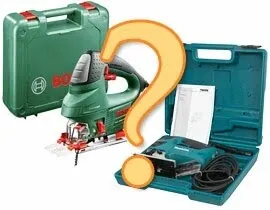
I have spent two decades cutting through everything from 18mm birch plywood to thick structural oak. Most guys ask me which brand wins this fight. There is no single winner. You pick the tool that fits your hand and your specific battery platform.
Bosch and Makita both build professional-grade machines. They do not make toys for weekend hobbyists who only cut foam core. If you are a carpenter, these are the two names on your shortlist.
Key differences
The main difference lies in how they handle vibration and blade stability. Bosch often focuses on high-speed precision for fine cabinetry work. Their German engineering tends to prioritize clean lines when you are cutting tight curves in thin materials. You will find that their orbital action settings feel very intuitive during a long session.
Makita takes a different path with ergonomics and raw power. Their tools feel balanced in the hand, even when you are working overhead on a job site. The motor design helps maintain constant speed under heavy load. I noticed this specifically when I used a Makita 4JTS1 model to rip through a stack of pressure-treated pine boards last summer.
The blade clamping systems also vary between these two manufacturers. Bosch uses a very reliable tool-less system that stays tight during heavy use. Makita often utilizes a different tensioning method that some pros prefer for thicker stock. Neither brand publishes exact vibration decibel ratings in their standard manuals.
Where the Bosch wins
Bosch wins when you need surgical accuracy on delicate surfaces. If your daily task involves cutting decorative inlays or precise joinery in walnut, go with Bosch. Their dust extraction ports are often better designed to connect directly to a shop vacuum. This keeps your workspace clean and helps prevent the blade from overheating during long cuts.
The build quality feels very dense. It is a heavy tool. However, that weight provides stability when you are making slow, controlled movements through hardwood.
Where the Makita wins
Makita wins on the rough-and-tumble job site. Their battery ecosystem is massive and incredibly reliable for tradespeople who already own cordless drills and impact drivers. The grip texture on a Makita jigsaw feels less slippery if your hands get sweaty or dusty. I prefer their trigger response because it feels immediate and snappy.
Durability is high here. They handle drops onto concrete better than most brands I have tested over the last 20 years. If you are a contractor moving from house to house, this is your brand.
Which should you buy?
Buy a Bosch if you work in a dedicated workshop. It is the tool for the craftsman who values fine finish quality and dust management above all else.
Choose Makita if you are a professional contractor. You need a tool that survives being tossed into a van every day. Match it to the batteries you already own to save money.
Frequently asked questions
Do these saws work with any blade?
Most modern jigsaws use a T-shank system. Both Bosch and Makita support this standard, so you can buy cheap blades from any hardware store. You should still invest in high-quality blades for hardwoods. Cheap blades bend too easily.
Is cordless better than corded?
Corded saws offer constant power. You will never run out of juice in the middle of a long cut through thick plywood. Cordless models provide freedom of movement on large job sites where outlets are far away. Pick based on your workspace layout.
How often should I change the blade?
Change it when the cut looks ragged. A dull blade creates heat and burns the wood surface. You will notice the motor straining if the blade is too old. Do not wait until it snaps.
Frequently asked questions
Do these saws work with any blade?
Most modern jigsaws use a T-shank system. Both Bosch and Makita support this standard, so you can buy cheap blades from any hardware store. You should still invest in high-quality blades for hardwoods. Cheap blades bend too easily.
Is cordless better than corded?
Corded saws offer constant power. You will never run out of juice in the middle of a long cut through thick plywood. Cordless models provide freedom of movement on large job sites where outlets are far away. Pick based on your workspace layout.
How often should I change the blade?
Change it when the cut looks ragged. A dull blade creates heat and burns the wood surface. You will notice the motor straining if the blade is too old. Do not wait until it snaps.