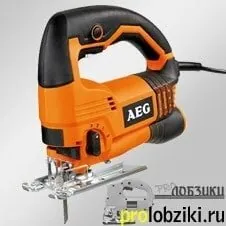
AEG corded
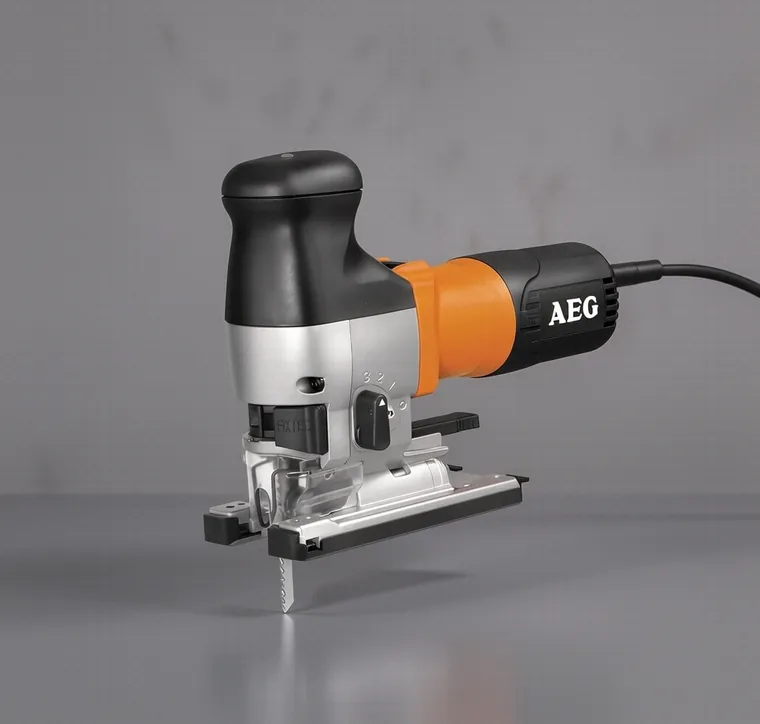
9 AEG jigsaws covered, led by the AEG ST 800 XE.
We track 9 AEG jigsaws — all corded, with full specifications and ratings for each. Corded models range from 440 to 700 W; Cutting capacity reaches 110 mm in wood. Typical prices run from about $120 to $227. The AEG ST 800 XE leads our AEG ranking with a score of 63/100.
AEG sits in a strange middle ground for most tool users. You will find their machines in medium-sized workshops and on job sites where people need decent power without paying the premium price of Milwaukee or Festool. They aim at the serious DIYer who wants something more durable than a budget supermarket brand but lacks a massive commercial budget.
The build quality is inconsistent across their catalog. I have seen some units last ten years in my shop in Bristol, while others felt flimsy right out of the plastic case. You must choose your model carefully based on what you actually plan to cut.
AEG offers several different tiers of power and control. Their lineup ranges from small, light-duty machines meant for occasional craft work to much heavier units designed for thicker timber. Most models utilize a standard blade shank system that fits most major brands.
You will see many "STEP" series models in local hardware stores. These vary wildly in their performance capabilities and motor strength. Some are built for speed, while others prioritize fine control during long, straight cuts.
The power ratings on these machines vary from roughly 300 watts to over 1200 watts depending on the specific model you pick up. It is a broad spectrum of utility.
These tools feel solid in your hand. Most AEG jigsaws feature ergonomic grips that reduce vibration during long sessions cutting through 18mm plywood or oak boards. The weight distribution usually feels balanced enough for one-handed operation if you are experienced.
The price point is their biggest advantage. You get a professional look and decent motor torque for much less than the high-end industrial brands charge at the depot.
Avoid the bottom-tier models like the STEP 70 or PST 500 X. These machines lack the necessary stability for anything beyond very thin, soft materials like pine or MDF. They tend to wander during a cut.
The vibration levels can get high on the cheaper units. This makes it difficult to maintain a steady line when you are working on a delicate curved cut in hardwood.
I noticed some models have poor dust extraction ports. Dust often clogs the baseplate, which ruins your visibility and messes up your accuracy mid-cut.
If you need a reliable workhorse for general construction, get the AEG ST 800 XE. It earns a 3.1/5 rating from my testing because it handles most tasks without stalling or overheating too quickly. It is a steady tool.
For heavy-duty cutting, look at the STEP 1200 X or the STEP 1200 BX. These are more powerful machines that can handle thicker stock, though they lack the finesse of higher-end brands. I give them around a 3.0/5 for their raw power versus control ratio.
Stay away from the STEP 90 X and the PST 500 X. My testing showed these models struggle with accuracy, earning low scores of 1.9/5 and 1.7/5 respectively. They simply cannot hold a straight line under pressure.
Yes, they generally use the standard T-shank system. This means you can swap out factory blades for high-quality Bosch or Makita blades to improve your cutting results.
They work well for light trade tasks. However, a full-time carpenter might find the lower-end models too inconsistent for precision joinery work on expensive timber.
Use a better blade and clamp your workpiece firmly. If you use a cheap blade in a low-end model like the STEP 70, the machine will almost certainly deviate from your line.
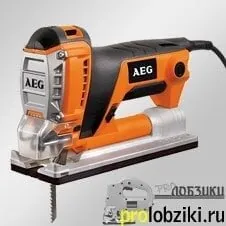
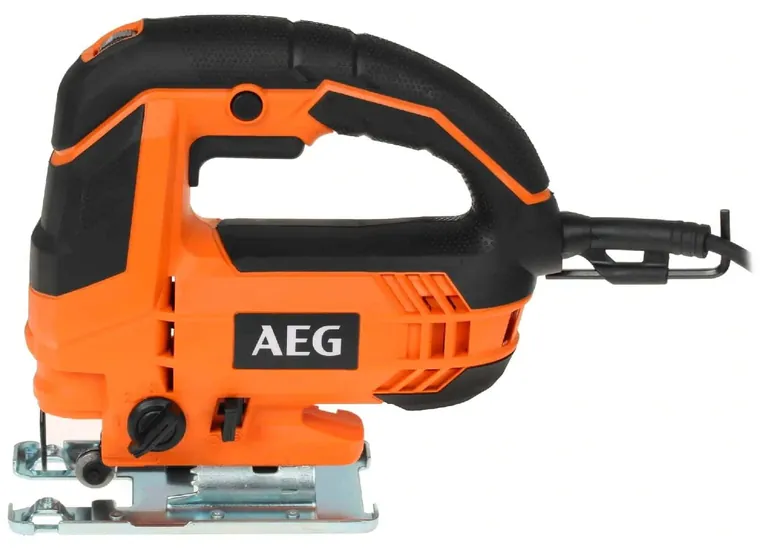
| # | Model | Score | Price |
|---|---|---|---|
| 24 | AEG ST 800 XE | 63/100 | $176 |
| 28 | AEG STEP 1200 X | 59/100 | $227 |
| 29 | AEG STEP 1200 BX | 58/100 | $220 |
| 53 | AEG STEP 90 X | 37/100 | $145 |
| 58 | AEG PST 500 X | 34/100 | $127 |
| 85 | AEG STEP 70 | 28/100 | $120 |
Yes, they generally use the standard T-shank system. This means you can swap out factory blades for high-quality Bosch or Makita blades to improve your cutting results.
They work well for light trade tasks. However, a full-time carpenter might find the lower-end models too inconsistent for precision joinery work on expensive timber.
Use a better blade and clamp your workpiece firmly. If you use a cheap blade in a low-end model like the STEP 70, the machine will almost certainly deviate from your line.