Industrial jigsaws
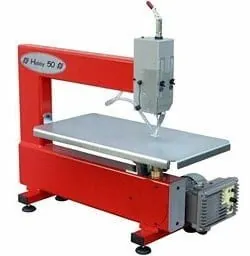
I have spent two decades cutting through everything from thin plywood to thick oak beams on job sites across Ohio. Most people buy a cheap jigsaw for one weekend project and then wonder why their cuts look like a jagged mess. If you want professional results, you need to understand how industrial-grade tools actually behave under pressure.
Blade selection and physics
The blade is your most important component. A cheap blade will deflect when you hit a knot in a 2-inch thick piece of walnut. You must choose the right tooth count for the specific material you are cutting today.
Fine teeth create smooth edges. Use a T101B Bosch blade if you want to minimize splintering on delicate veneers or thin particle board. These blades have more teeth per inch, which slows down your progress but prevents the wood from tearing apart at the exit point of the cut.
Speed matters. If you push too hard against dense hardwoods, the friction generates heat that ruins the steel temper of the blade within ten minutes. Watch for smoke.
Managing vibration and deflection
Vibration is the enemy of accuracy. High-end industrial jigsaws use heavy magnesium housings to dampen the shaking that occurs during deep plunge cuts. If your tool feels light or hollow, expect your lines to wander significantly as you work.
Support your workpiece properly. I always use a sacrificial piece of 1/4-inch MDF underneath my primary material to prevent blowout on the bottom side of the cut. This simple habit saves hours of sanding time later in the shop.
Check your orbital settings. Most professional saws offer an orbital action setting that moves the blade in a small elliptical motion alongside the vertical stroke. Setting this to level 3 increases cutting speed in softwoods like pine, but you should turn it down to 0 for any precision joinery work.
Power delivery and cord management
Cordless tools are great for quick tasks. However, if you are running a full day of heavy ripping on 3/4-inch plywood, a corded model provides much more consistent torque. Battery voltage can drop as the charge fades, which leads to stalling mid-cut.
Watch your footing. I keep my extension cords coiled on a dedicated rack in my workshop to prevent tripping while I am navigating around large sheets of lumber. A snagged cord can pull a saw right out from under your hands.
The motor matters. Look for brushes that are easily accessible for replacement, as these wear down after roughly 500 hours of heavy industrial use. Most manufacturers do not publish exact hour ratings, so you must judge by the smell of ozone or heat.
Maintenance routines
Clean your tool daily. Sawdust gets into the bevel adjustment mechanism and can seize the locking lever if you ignore it for several weeks. I use a small canister of compressed air every Friday afternoon to clear out the motor vents.
Lubricate the shoe. A tiny drop of dry PTFE spray on the metal baseplate helps the saw glide over rough surfaces without catching. Avoid heavy grease because it attracts sawdust and creates a thick paste that jams the mechanism.
Inspect your blades often. If you see even one chipped tooth, throw that blade in the scrap bin immediately. A single damaged tooth will create a rhythmic vibration that ruins every cut you make for the rest of the afternoon.
Frequently asked questions
Should I use orbital mode for all my cuts?
No, do not do that. Orbital mode is excellent for rapid, rough cuts in soft materials like pine or cedar, but it will destroy your finish on hardwoods. Use the zero setting when you need a clean edge for furniture making.
How often should I replace the carbon brushes?
It depends on your usage. If you work ten hours a week in a high-dust environment, check them every six months to avoid motor failure. You will notice a loss of power or visible sparking before they fail completely.
Why does my jigsaw blade keep bending mid-cut?
You are likely applying too much downward pressure. Let the weight of the tool and the speed of the motor do the work instead of forcing it through the material. If you push too hard, the steel will flex away from your marked line.
Frequently asked questions
Should I use orbital mode for all my cuts?
No, do not do that. Orbital mode is excellent for rapid, rough cuts in soft materials like pine or cedar, but it will destroy your finish on hardwoods. Use the zero setting when you need a clean edge for furniture making.
How often should I replace the carbon brushes?
It depends on your usage. If you work ten hours a week in a high-dust environment, check them every six months to avoid motor failure. You will notice a loss of power or visible sparking before they fail completely.
Why does my jigsaw blade keep bending mid-cut?
You are likely applying too much downward pressure. Let the weight of the tool and the speed of the motor do the work instead of forcing it through the material. If you push too hard, the steel will flex away from your marked line.